

Industrial wastewater can contain fine particles that remain suspended for a long time. These solids may be difficult to settle using gravity alone, especially when the water contains clay, mineral particles, or other negatively charged matter. An anionic polyacrylamide flocculant can help bring these particles together into larger flocs, making separation easier.
For wastewater operators, choosing the right flocculant is only one part of the process. Water quality, dosage, mixing conditions, and the separation equipment all affect the final result.
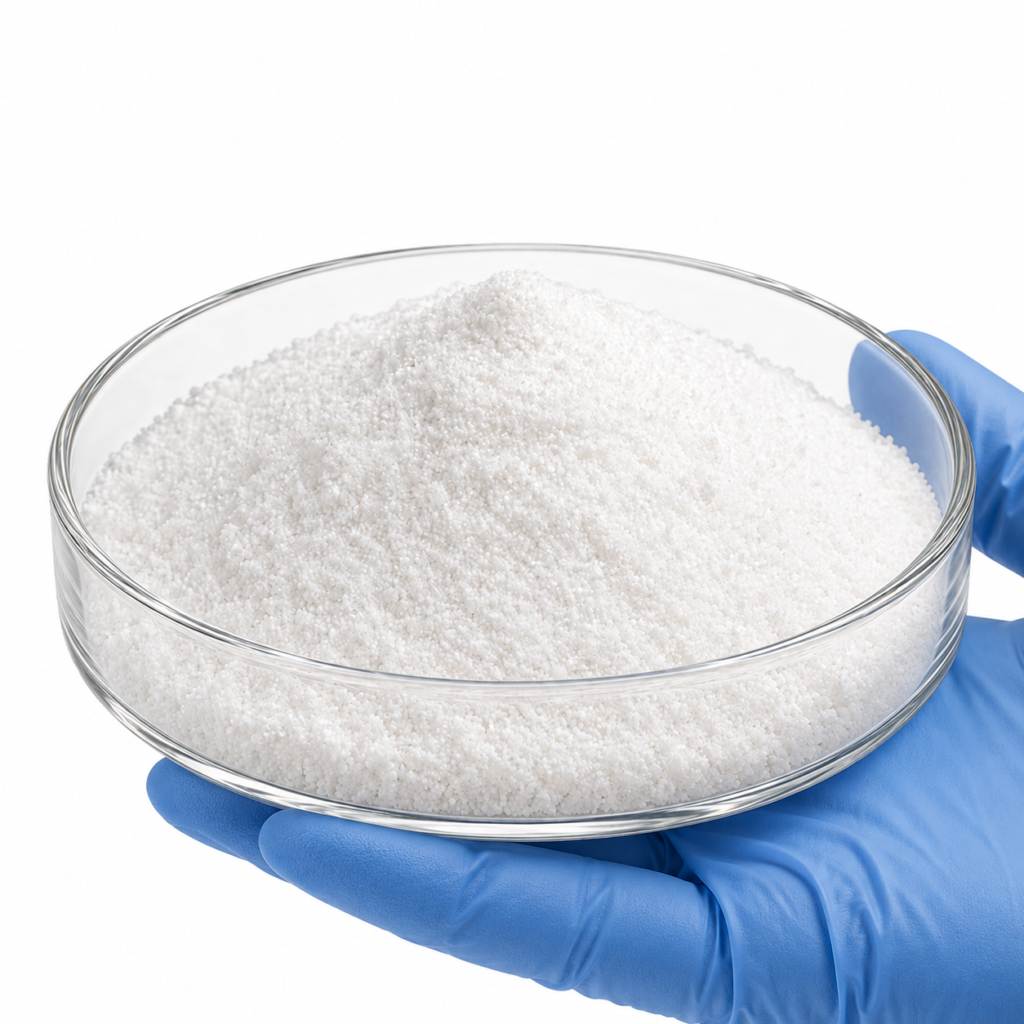
How Anionic Polyacrylamide Works
Anionic polyacrylamide, often called APAM, is a water-soluble polymer with negatively charged groups along its molecular chain. When properly prepared and added to wastewater, its long chains can attach to suspended particles and connect them into larger aggregates.
These flocs may settle more readily or be captured more effectively by downstream equipment. The result depends on the specific wastewater and treatment conditions, so jar testing is usually needed before setting a full-scale dosage.
Where APAM Is Commonly Used
Anionic polyacrylamide flocculant is used in a range of solid-liquid separation processes, including:
- Sand washing and mineral processing
- Mining wastewater clarification
- Municipal and industrial wastewater treatment
- Paper-making wastewater treatment
- Sludge thickening and dewatering
Each application has different water chemistry and solids characteristics. A product that works well in one process may not be the best choice for another.
Getting Better Results from Flocculant
A few practical steps can help operators evaluate APAM more reliably:
- Prepare the solution carefully. Add the powder gradually to clean water while stirring to reduce the formation of undissolved lumps.
- Allow enough dissolution time. Follow the supplier’s preparation guidance and avoid using a solution before it is fully hydrated.
- Run jar tests. Compare different product grades and dosages using representative wastewater samples.
- Adjust mixing conditions. Initial mixing should distribute the chemical; gentler mixing afterward can help flocs grow without excessive breakage.
- Review the whole process. Check settling, filtration, or dewatering performance alongside water clarity.
The appropriate product and dosage should be determined through testing. Overdosing, poor dissolution, or unsuitable mixing can reduce treatment efficiency and increase operating costs.
Selecting an APAM Grade
When evaluating an anionic polyacrylamide flocculant, consider the particle size and charge characteristics of the wastewater, the equipment used for separation, and the required treatment outcome. Molecular weight and hydrolysis level can also influence floc formation and handling.
A supplier can help narrow down options, but test results from the actual wastewater provide the most useful basis for selection.
Supporting More Consistent Treatment
APAM can support clarification and sludge dewatering when it is matched to the wastewater and correctly prepared. For treatment plants and industrial users, a small, controlled trial can help identify a suitable grade before making a larger process change.
TRONKI supplies anionic polyacrylamide for wastewater treatment and mineral-processing applications. Contact our team with your water sample details and process requirements to discuss product selection and testing.
Suggested image alt text: Anionic polyacrylamide flocculant used for industrial wastewater clarification
Suggested excerpt: Anionic polyacrylamide flocculant helps connect fine suspended particles into larger flocs, supporting clarification and sludge dewatering in wastewater and mineral-processing applications.